| Hawk Moths BOMBYCOIDEA | 
| (donherbisonevans@yahoo.com) and Stella Crossley |
|
|
|
|
|
|
|
| Hawk Moths BOMBYCOIDEA |
| (donherbisonevans@yahoo.com) and Stella Crossley |
|
|
|
|
|
|
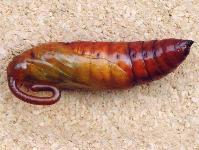
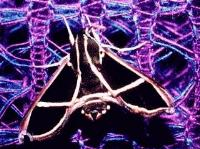
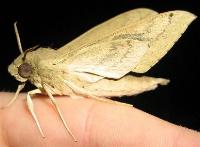
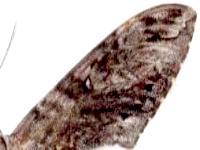
The SPHINGIDAE are called Hawk Moths because they can fly very fast, and can also hover in flight. They use this latter ability to sip nectar from flowers using their long haustellum (tongue), when they fly in the evening. They are large moths with long narrow forewings, and smaller hindwings. When at rest, they hold their wings over the body like a tent.
Some common species of the 87 named species of SPHINGIDAE occurring in Australia are:
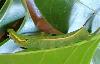 Acosmeryx anceus
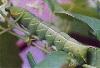 Acosmeryx cinnamomea
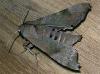 Acosmeryx miskini : Miskin's Hawk Moth
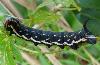 Agrius convolvuli : Convolvulus Hawk Moth
 Agrius godarti : Godart's Hawk Moth
 Ambulyx dohertyi : Doherty's Hawk Moth
 Ambulyx wildei : Wilde's Hawk Moth
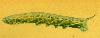 Amplypterus panopus : Mango Hawk Moth
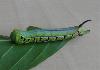 Cephonodes australis : Australian Coffee Hawk Moth
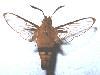 Cephonodes cunninghami : Cunningham's Bee Hawk
 Cephonodes janus : Janus Bee Hawk
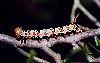 Cephonodes kingii : Gardenia Hawk Moth
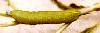 Cizara ardeniae : Coprosma Hawk Moth
 Coenotes arida
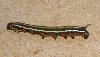 Coenotes eremophilae
 Coequosa australasiae : Triangle Hawk Moth
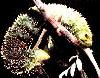 Coequosa triangularis : Double-headed Hawk Moth
 Daphnis dohertyi
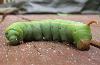 Daphnis moorei : Moore's Hawk Moth
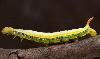 Daphnis placida
 Daphnis protrudens
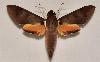 Gnathothlibus australiensis
 Gnathothlibus eras : White-brow Hawk Moth
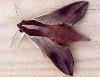 Hippotion boerhaviae
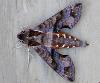 Hippotion brennus
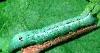 Hippotion celerio : Vine Hawk Moth
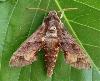 Hippotion johanna
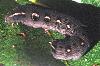 Hippotion rosetta
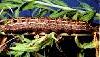 Hippotion scrofa : Coprosma Hawk Moth
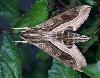 Hippotion velox
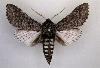 Hopliocnema brachycera : Desert Hawk Moth
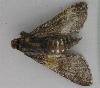 Hopliocnema lacunosa
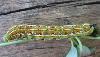 Hyles livornicoides : Australian Striped Hawk Moth
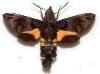 Macroglossum alcedo
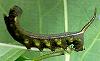 Macroglossum corythus
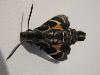 Macroglossum dohertyi
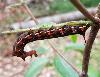 Macroglossum errans : Australian Hummingbird Hawkmoth
 Macroglossum joannisi : Joannis' Hawk Moth
 Macroglossum micacea
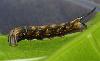 Macroglossum nubilum
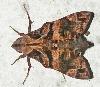 Macroglossum papuanum
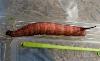 Macroglossum prometheus
 Macroglossum queenslandi
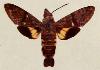 Macroglossum rectans
 Macroglossum tenebrosa
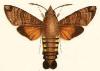 Macroglossum vacillans
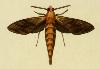 Nephele hespera
 Nephele subvaria
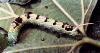 Psilogramma argos : Argos Hawk Moth
 Psilogramma casuarinae : Southern Privet Hawk Moth
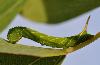 Psilogramma exigua
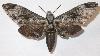 Psilogramma maxmouldsi : Max's Hawk Moth
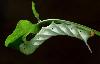 Psilogramma menephron
 Psilogramma papuensis
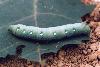 Theretra celata
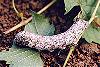 Theretra indistincta
 Theretra inornata
 Theretra latreillii Latreille's Hawk Moth
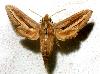 Theretra margarita
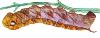 Theretra nessus : Yam Hawk Moth
 Theretra oldenlandiae : Impatiens Hawk Moth
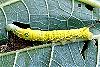 Theretra queenslandi
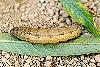 Theretra silhetensis : Brown-banded Hunter Hawkmoth
 Theretra tryoni
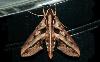 Theretra turneri Turner's Hawk Moth
 Zacria vojtechi : Vojtěch's Hawk Moth
|
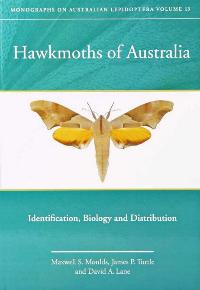
Max S. Moulds, James P. Tuttle and David Lane. Hawkmoths of Australia, Monographs on Australian Lepidoptera Series, Volume 13 |
 family |  butterflies |  Lepidoptera |  moths |  family |
(updated 31 May 2014, 21 June 2026)
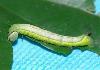 Angonyx papuana
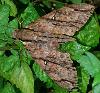 Cerberonoton severina
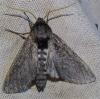 Chelacnema ochra
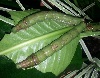 Eupanacra splendens
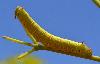 Imber tropicus
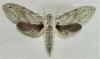 Leucomonia bethia
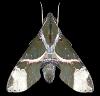 Pseudangonyx excellens
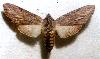 Synoecha marmorata
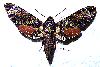 Tetrachroa edwardsi